San Diego Swiss Machining | Reliable Quality
High-quality odm & oem san diego swiss machining from top prototype | chinese manufacturer top prototype provides innovative san diego swiss machining ,& owns a long experience, providing top san diego swiss machining.
Welcome To The Top Prototype Category
High-quality odm & oem san diego swiss machining from top prototype | chinese manufacturer top prototype provides innovative san diego swiss machining ,& owns a long experience, providing top san diego swiss machining.
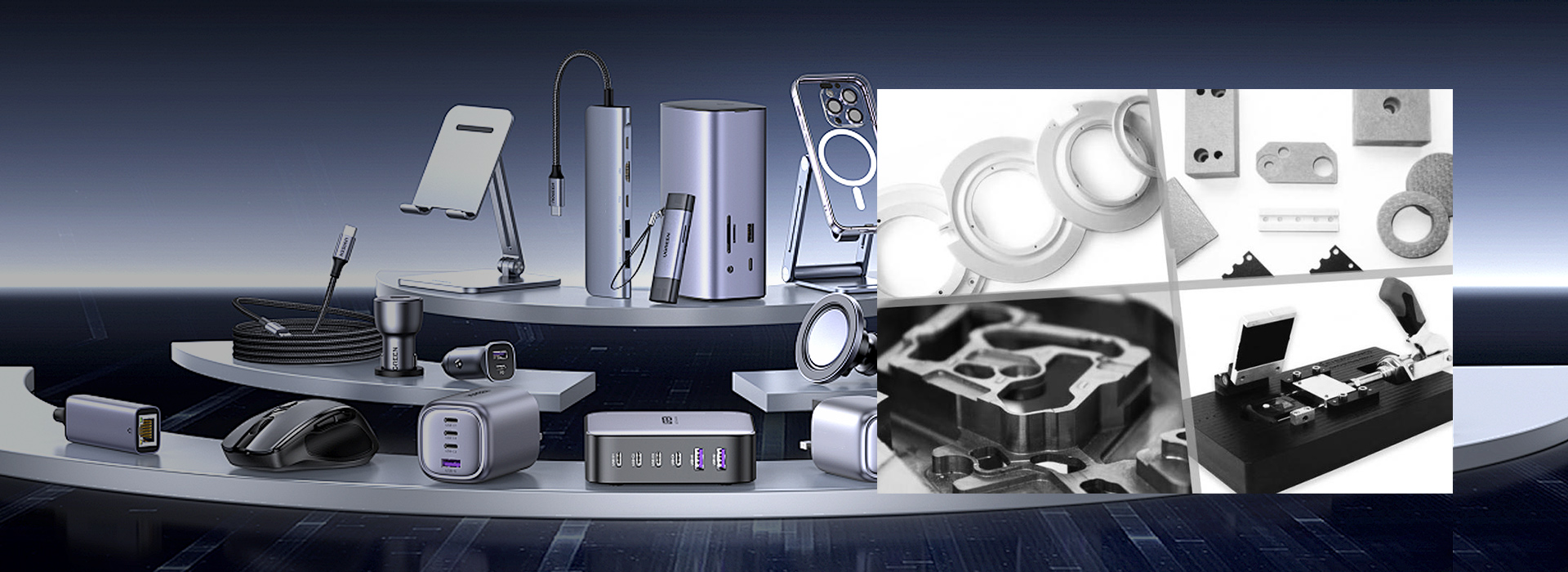
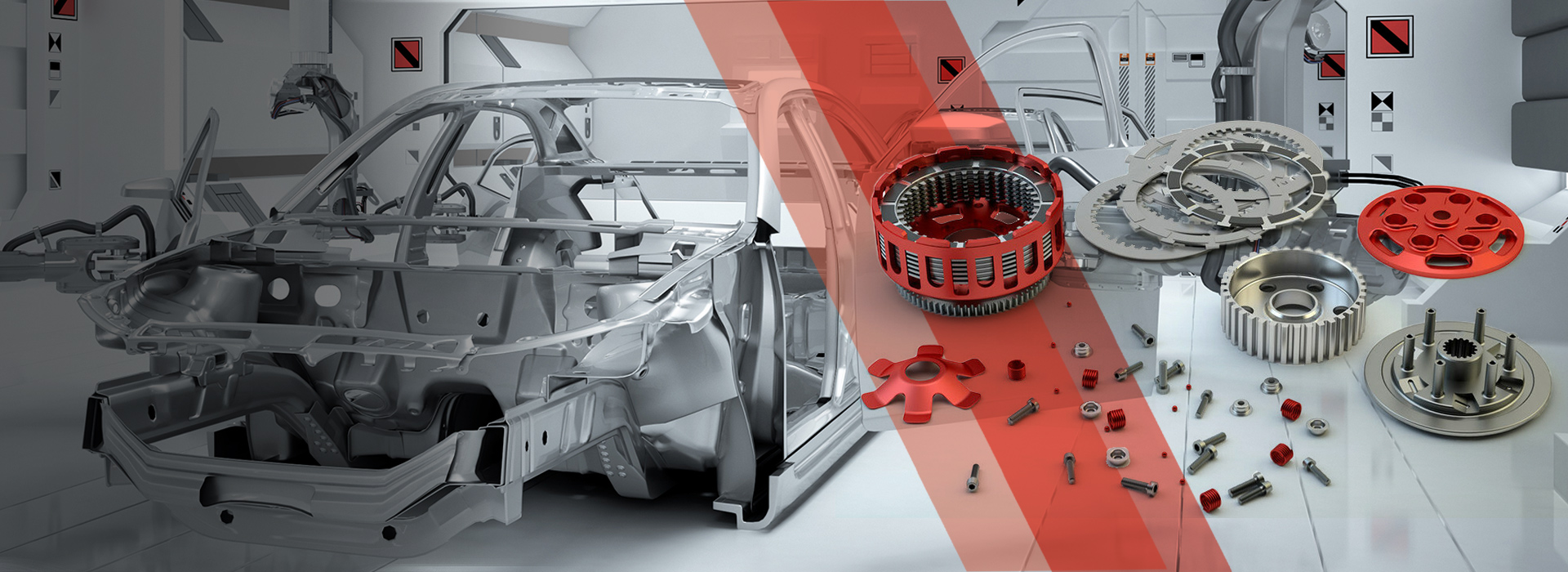
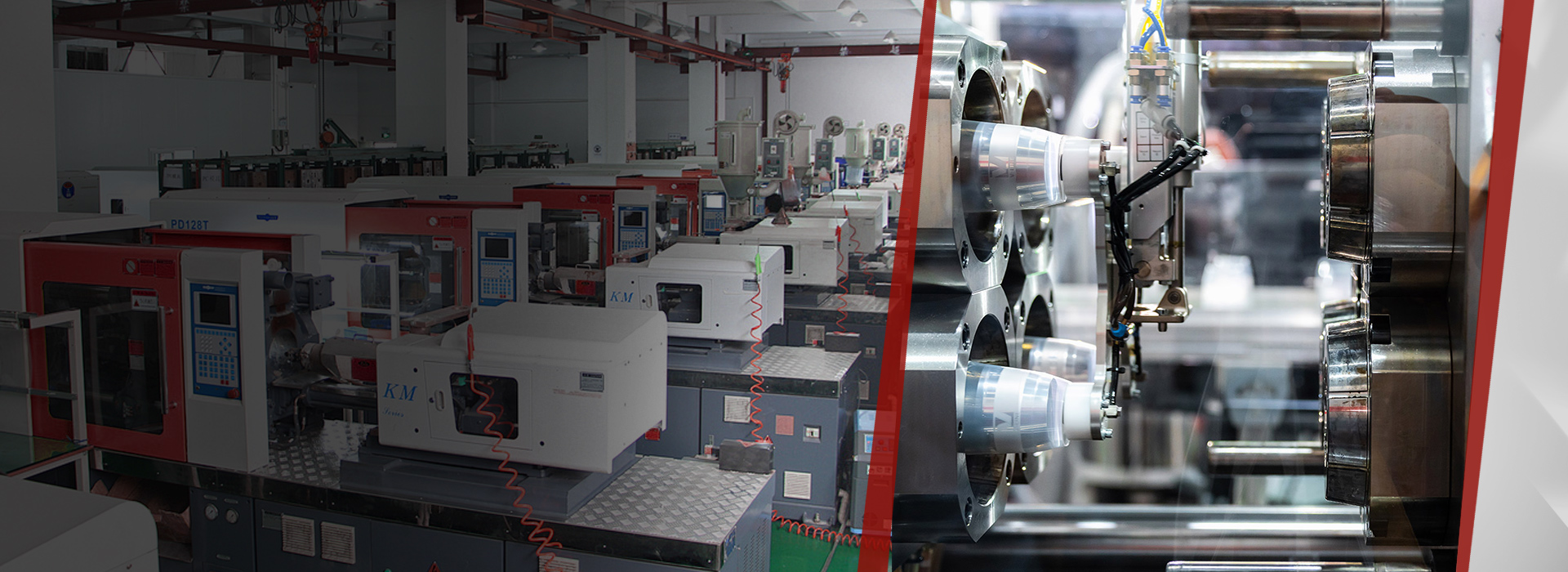
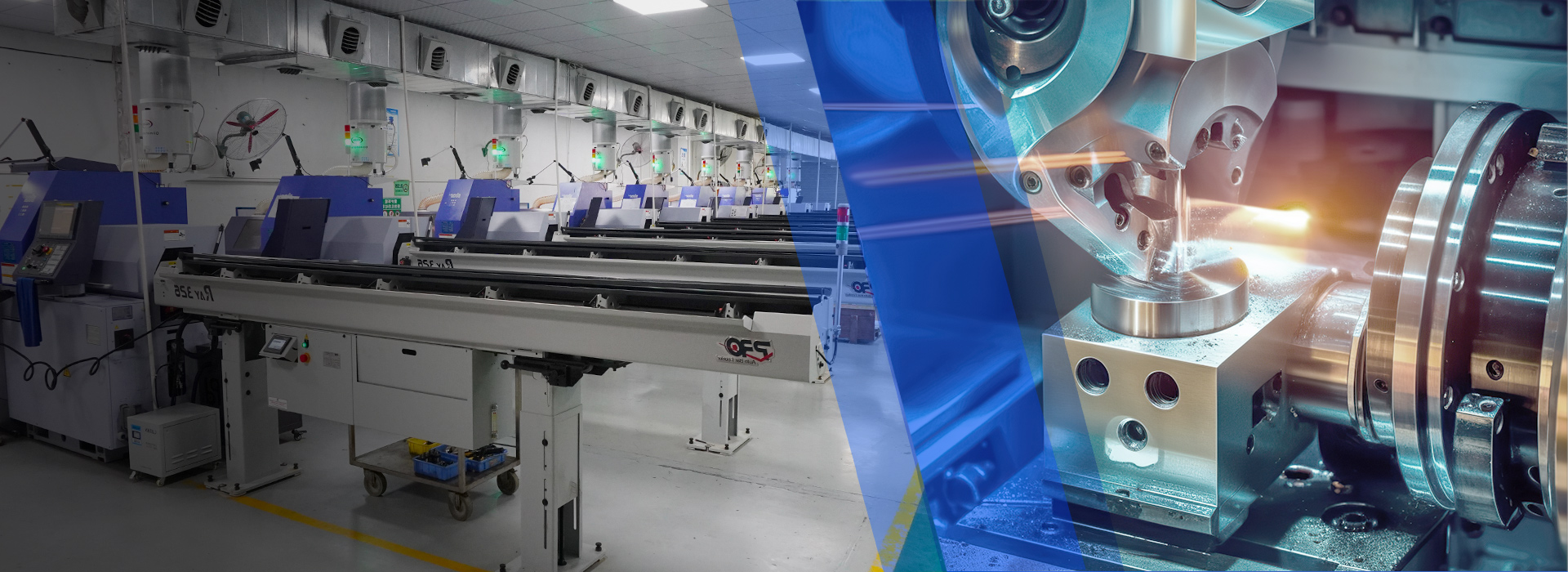


San Diego Swiss Machining – Invest In Quality With Top Prototype!
Discover Top-notch san diego swiss machining at TOP Prototype. When in search of san diego swiss machining, TOP Prototype is trustworthy to consider and provides good san diego swiss machining.
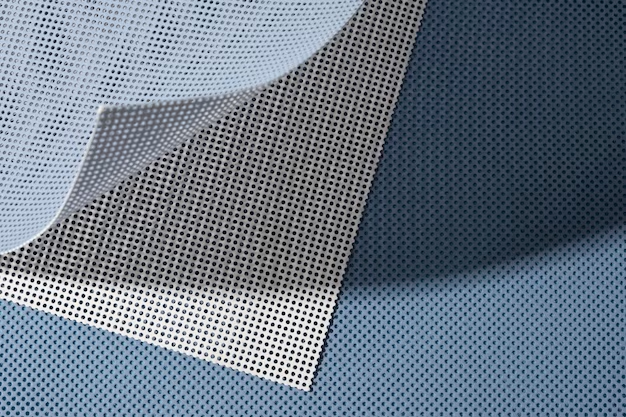
PE(polyethylene)
Excellent strength-to-weight ratio, impact resistance and weather resistance.



Customer Insights On San Diego Swiss Machining: Read Their Reviews Now!
Our satisfying san diego swiss machining have found their way to customers across the planet.
Interested In Discovering More About San Diego Swiss Machining?
Our top-quality, expect nothing less than premium quality, long-term durability, and straightforward maintenance. Find out more on our website.
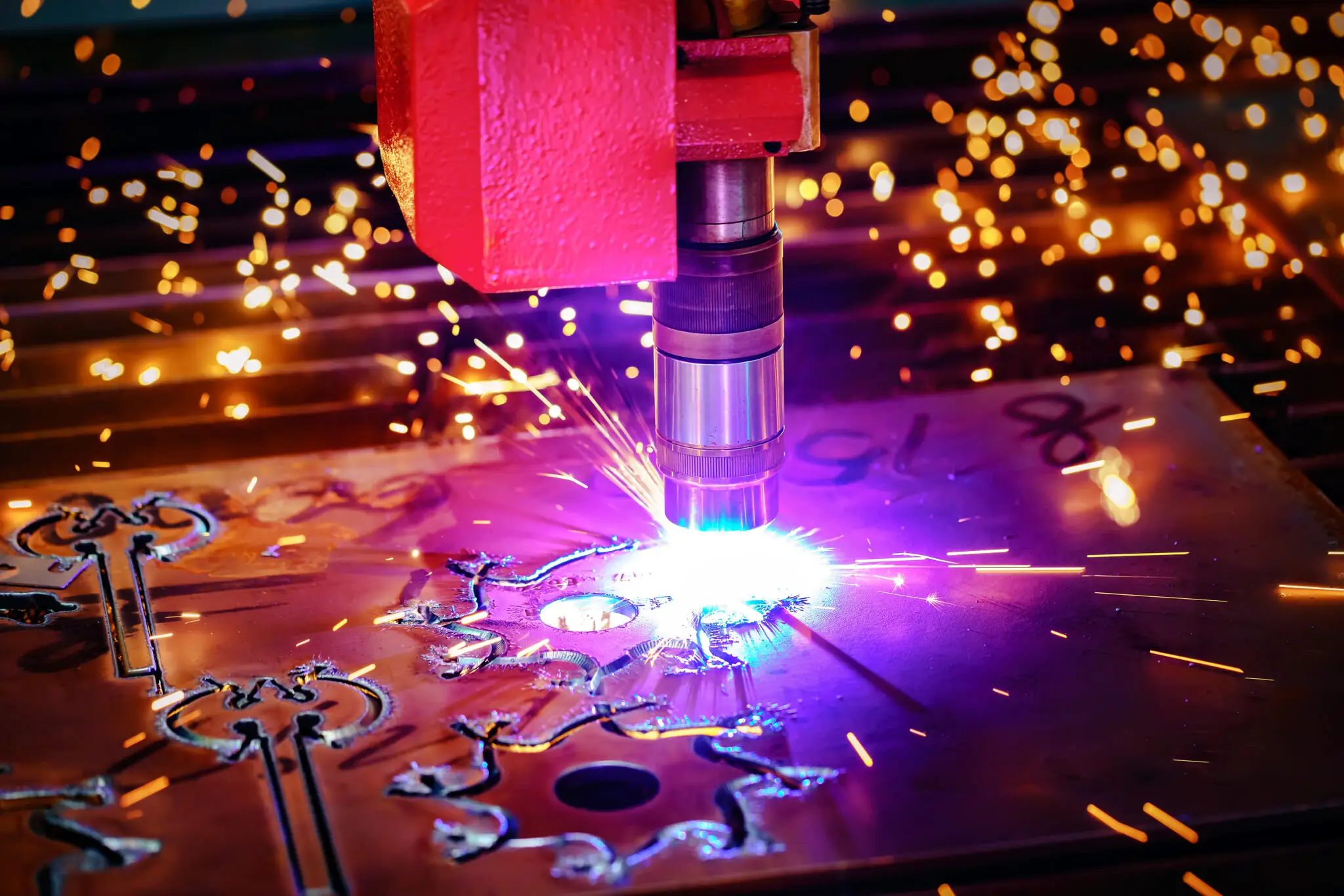
Faster
When you complete the part design, share it with our company by email and synchronize your requirements.TOP Prototype adopts the most efficient quotation service and focuses on your product requirements.
More Responsive Quotes
We will give you feedback within 1 hour to ensure that you receive professional processing suggestions, lower processing costs and a faster delivery time.
400,000 +
Uniquely designed parts produced 400,000 +
What is Swiss machining and how is it used in San Diego?
Swiss machining is a precision manufacturing process that utilizes a sliding headstock lathe to produce intricate parts with high accuracy. In San Diego, many manufacturers use Swiss machining for producing components for industries such as aerospace, medical devices, and electronics.
What are the benefits of using Swiss machining in San Diego?
The benefits of Swiss machining include high precision, the ability to produce complex geometries, reduced waste, and shorter lead times. Many companies in San Diego leverage these advantages to meet the demands of high-tech industries.
How does San Diego compare to other regions for Swiss machining services?
San Diego has a growing reputation for Swiss machining due to its strong aerospace and biotech sectors. Compared to other regions, it offers a skilled workforce and access to advanced technology, making it an attractive location for precision manufacturing.
What industries in San Diego commonly use Swiss machining?
Industries that commonly use Swiss machining in San Diego include aerospace, medical device manufacturing, automotive, and electronics. These sectors require high-precision components that Swiss machining can effectively produce.
Curious About San Diego Swiss Machining? Check What Top Prototype Has To Offer!
TOP Prototype combines expertise in san diego swiss machining with practical solutions, empowering you to navigate this exciting field.
Tapped Holes vs Threaded Holes – Differences and Comparison
Tapped Holes vs Threaded Holes – Differences and Comparison In mechanical manufacturing, assembly, and precision engineering, internal threaded holes serve as the “connective tissue” of components, enabling secure fastening, precise positioning, and stable load transmission. Tapped holes and threaded holes, two widely applied types of internal threaded structures, are often conflated due to their overlapping functional goals. Yet their divergence in processing principles, structural integrity, and practical performance is substantial—differences that directly affect product reliability, production costs, and service life. This article systematically distinguishes the two, enriches the discussion with industrial practices and material science facts, simplifies complex terminology, and reconstructs the logical framework to clarify their characteristics, advantages, and application boundaries for engineering practitioners. 1. Definitions and Core Structural Traits 1.1 Tapped Holes: Direct Thread Formation in Base Material A tapped hole is an internal threaded hole formed by the tapping process, where a specialized cutting tool (tap) cuts or forms threads on the inner wall of a pre-drilled pilot hole. Unlike indirect threading methods, tapped holes integrate threads directly into the workpiece’s base material—no auxiliary inserts or reinforcements are involved. Taps operate on a subtractive principle: they remove excess material from the pilot hole’s inner surface to form standardized thread profiles, such as metric (M series), unified coarse (UNC), or unified fine (UNF) threads, with precision grades ranging from 2B (general purpose) to 3B (high precision) for imperial threads. This integration with the base material means tapped holes’ performance is inherently tied to the workpiece’s material properties. For instance, in medium-carbon steel (e.g., 45# steel) or 6061 aluminum alloy—materials with moderate ductility and strength—tapped holes deliver reliable thread retention. They are widely adopted in scenarios where the workpiece itself can bear fastening loads, avoiding the need for additional components. 1.2 Threaded Holes: A Broad Category with Indirect Threading Dominance The term “threaded hole” is a generic concept encompassing all holes with internal threads, including tapped holes. In industrial practice, however, it primarily refers to holes where threads are formed indirectly—most commonly via threaded inserts. These inserts, made of high-strength materials like 304 stainless steel or titanium alloy, are installed into pre-drilled holes to provide the internal thread interface, decoupling thread performance from the workpiece’s base material. Beyond insert-based threading, threaded holes also include structures formed by thread rolling, casting, or injection molding. Thread rolling, for example, is used for high-volume production of ductile materials like copper or low-carbon steel, forming threads through plastic deformation rather than cutting. Cast or molded threaded holes are integral to composite parts (e.g., glass-fiber reinforced plastic) or plastic components, where threads are pre-designed in the mold to eliminate post-processing. 2. Core Differences in Processing Principles and Operations The fundamental gap between tapped holes and threaded holes lies in their thread formation mechanisms—each dictating processing efficiency, precision limits, and material applicability. Simplifying these mechanisms reveals why each is preferred in specific scenarios. 2.1 Tapped Holes: Two-Step Subtractive Processing Tapping follows a rigid two-step workflow: first, drilling a pilot hole with a diameter strictly matched to the target thread (e.g., a 6.8mm pilot hole for an M8×1.25 tap); second, cutting threads using a hand tap (for small batches or manual operations) or machine tap (for automated production on CNC lathes, milling machines, or dedicated tapping centers). Critical process parameters directly impact thread quality: tap speed (typically 10-30 m/min for steel, 20-50 m/min for aluminum), feed rate (matched to thread pitch to avoid thread distortion), and lubrication (cutting oil for ferrous metals, cutting fluid for non-ferrous metals to reduce friction and prevent burring). Brittle materials like gray cast iron (HT200) or zirconia ceramic require specialized spiral-flute taps to evacuate chips and avoid cracking, while ductile materials like copper demand straight-flute taps for smooth chip removal. 2.2 Threaded Holes: Indirect Formation with Diversified Methods Insert-based threaded holes, the most common type, follow a three-step process: drilling a hole matching the insert’s outer diameter (e.g., a 10.2mm hole for an M8 helical insert), installing the insert via pressing, self-tapping, or adhesive bonding, and verifying thread accuracy. Helical wire inserts (HeliCoils), for example, are coiled stainless steel wires with a diamond cross-section—when installed, they expand to lock into the pre-drilled hole, distributing fastening loads over a larger surface area to prevent thread stripping. Other threading methods for threaded holes have clear niche applications: thread rolling achieves higher thread strength (up to 30% higher than cut threads due to work hardening) and is used for high-volume parts like automotive bolts; casting/molding eliminates post-processing but is limited to parts with simple thread geometries, as complex threads may cause mold release issues. 3. Performance Comparison and Practical Application Scenarios Evaluating strength, precision, cost, and maintainability reveals the practical trade-offs between tapped holes and threaded holes. Grounded in industrial data and real-world cases, this comparison helps engineers make evidence-based selections. 3.1 Strength and Load-Bearing Capacity Tapped holes’ load capacity is material-dependent: in high-strength alloys (e.g., 40CrNiMoA steel), a properly tapped M10 hole can withstand a tensile load of approximately 15-20 kN, meeting the needs of heavy machinery. However, in soft materials like PVC plastic or thin-walled aluminum (wall thickness < 2mm), tapped threads strip easily—even with moderate loads. Threaded holes with inserts resolve this limitation: a 304 stainless steel insert in a PVC workpiece boosts thread tensile strength by 5-8 times, enabling repeated fastening without damage. For applications requiring frequent assembly/disassembly (e.g., tooling fixtures), inserts extend service life by 3-5 times compared to tapped holes, as worn inserts can be replaced without reworking the entire part. 3.2 Precision and Dimensional Consistency Tapped holes can achieve high precision with high-quality taps and automated equipment, but tool wear introduces variability. A carbide tap for steel, for example, maintains precision for 5,000-8,000 holes before thread pitch deviation exceeds ±0.01mm. Threaded holes with inserts offer superior consistency: inserts are manufactured to ISO 898-1 standards, with thread pitch tolerance controlled within ±0.005mm. This level of precision is non-negotiable in aerospace (e.g., aircraft engine components) and medical devices (e.g., surgical instrument fasteners), where thread misalignment can lead to catastrophic failures. 3.3 Cost and Production Efficiency For low-to-medium batches (100-10,000 parts), tapped holes are 30-50% more cost-effective: the process requires only a drill press ($500-$2,000) and taps ($10-$50 each), with no additional material costs. Automated tapping centers boost high-volume efficiency, processing up to 1,000 holes per hour. Threaded holes with inserts incur higher upfront costs—inserts cost $0.5-$5 each, plus installation tools ($500-$1,500)—but reduce long-term costs for critical parts. For example, in automotive plastic bumpers, replacing a stripped tapped hole would require scrapping the bumper ($50-$100), while replacing an insert costs less than $2. 3.4 Typical Application Cases Tapped holes dominate in scenarios where base material strength suffices: automotive engine blocks (cast iron or aluminum) use tapped holes for bolt fastening, machinery frames (steel) rely on them for structural connections, and consumer electronics (aluminum housings) adopt them for component assembly. Threaded holes with inserts are preferred for soft materials (plastic enclosures, magnesium alloys), thin-walled parts (aircraft aluminum panels), critical applications (aerospace fasteners, implantable medical devices), and parts requiring maintenance (industrial tooling, marine equipment). 4. Misconception Correction and Selection Framework 4.1 Common Misconceptions Debunked Myth 1: “Tapped holes and threaded holes are identical.” Fact: Tapped holes are a subset of threaded holes, but industrial terminology reserves “threaded holes” for insert-based or non-tapped structures. Myth 2: “Tapped holes are always weaker.” Fact: In high-strength metals, tapped holes match or exceed insert-based threaded holes in load capacity—an M10 tapped hole in 40Cr steel outperforms an insert in aluminum. Myth 3: “Tapping is simpler than insert installation.” Fact: Tapping requires stricter process control (speed, feed, lubrication), while insert installation is more standardized and less prone to human error. 4.2 Practical Selection Guidelines Engineers should prioritize five core factors: 1) Material: Choose tapped holes for high-strength metals (steel, alloy aluminum); inserts for soft materials (plastic, magnesium) or thin walls. 2) Load: Tapped holes for moderate static loads; inserts for heavy loads or repeated dynamic loads. 3) Precision: Inserts for aerospace/medical high-precision needs; tapped holes for general-purpose applications. 4) Batch Size: Tapped holes for low-to-medium batches; inserts for high-volume critical parts. 5) Maintainability: Inserts for parts requiring repair; tapped holes for one-time assembly components. Tapped holes and insert-based threaded holes are not competing technologies but complementary solutions tailored to different engineering needs. Tapped holes excel in cost-effectiveness and simplicity for strong materials and moderate demands, while threaded holes with inserts deliver superior strength, precision, and maintainability for soft materials, thin walls, and critical applications. By grasping their processing differences, performance trade-offs, and application boundaries—backed by material science facts and industrial practices—engineers can optimize part design, enhance product reliability, and balance production costs. In the end, the right choice hinges on aligning the hole type with the workpiece’s material, load requirements, production scale, and service goals.
TOP Prototype CNC Drilling: Precision and Efficiency in Modern Manufacturing
TOP Prototype CNC Drilling: Precision and Efficiency in Modern Manufacturing In the realm of modern manufacturing, Computer Numerical Control (CNC) drilling has emerged as a crucial process that combines precision, speed, and versatility. This advanced machining technique plays a vital role in various industries, from aerospace and automotive to electronics and medical devices. In
Everything You Need to Know about Multi-Axis Machining
CNC machining has come a long way over the years, from basic 2D cutting to advanced multi-axis machining that handles complex shapes with high precision and speed. As product designs get more advanced, multi-axis machining plays a key role in meeting modern manufacturing needs. That said, in this blog, we’ll explain the basics, main components,
Definition and Significance of TOP Prototype Sheet Metal
Definition and Significance of TOP Prototype Sheet Metal Sheet metal is an essential component in the manufacturing and engineering industries. TOP Prototype, a renowned company in this field, has extensive experience in handling sheet metal. It plays a crucial role in the production of a wide variety of products, ranging from automobiles and aircraft

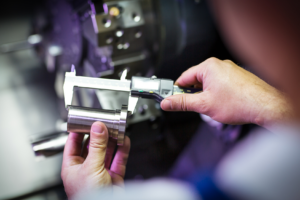
Quality Inspection of TOP Prototype Products
Quality Inspection of TOP Prototype Products In the highly competitive manufacturing industry, ensuring the quality of products is of utmost importance. TOP Prototype, a company specializing in various manufacturing processes such as CNC machining parts, injection molding, sheet metal fabrication, silicone rubber molding, and 3D printing, has established a comprehensive and stringent quality inspection system
More About San Diego Swiss Machining & Top Prototype
Over the past few years, our factory absorbed and digested integrated advanced technologies, exceeding the industry standard. Owning a factory and top-notch technologies, TOP Prototype always offers unmatchable san diego swiss machining worldwide. We welcome new and previous clients from all walks of lifestyle to get in touch with us for long term business relationships and mutual accomplishment! The world is our market – this san diego swiss machining will be supplied globally to West Asia, South Africa, Canada, Eastern Europe, etc. We believe in: precision defines our every move, trust paves our way to success. Our production process upholds the highest standards, we accept and consider all orders with unique specifications, each product has been professionally certified to meet industry standards. We are looking forward to cooperating with you and providing our best services for you, as well as our san diego swiss machining, Aerospace Manufacturing,SWISS LATHE PROCESSING. You are most welcome to come to China, to our city and our factory! Call or E-mail us your specifications or inquiries right now.
Other Categories From Top Prototype
Why Choose Top Prototype San Diego Swiss Machining ?
Welcome to San Diego Swiss Machining, where precision meets a laid-back California vibe! Here, we specialize in rapid prototyping, ensuring that your ideas come to life faster than you can say “machining magic.” Our expert team combines cutting-edge technology with a relaxed approach, making the process not just efficient but enjoyable. Whether you’re an engineer with a vision or a startup looking to innovate, we’ve got the tools and talent to transform your concepts into reality—without the stress. Let’s create something amazing together!
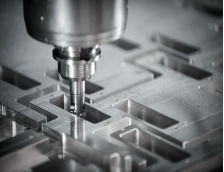
Unique Features Of San Diego Swiss Machining
San Diego Swiss Machining stands out in the precision engineering landscape with its unique features, including state-of-the-art CNC Swiss lathes that ensure unparalleled accuracy and efficiency. With a team skilled in rapid prototyping, they deliver swift turnaround times without compromising quality. Their commitment to international standards fosters a global clientele, while their agile manufacturing processes allow for customization and flexibility, catering to diverse industries. This combination of cutting-edge technology and a client-centric approach makes San Diego Swiss Machining a leader in the field.
San Diego Swiss Machining Aesthetics
- San Diego Swiss Machining embodies a sleek, modern aesthetic that reflects precision and innovation in manufacturing.
- The facility’s design incorporates clean lines and a functional layout, promoting efficiency and accessibility.
- International standards are upheld, ensuring high-quality output that meets diverse global needs.
- A commitment to aesthetic integrity enhances the visual appeal of the finished products, aligning form with function.
- The company’s temper reflects a blend of craftsmanship and cutting-edge technology, reinforcing its position in the global market.
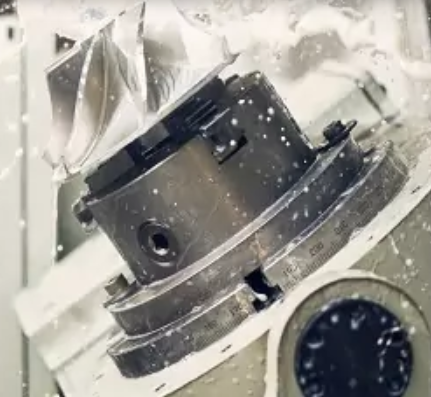
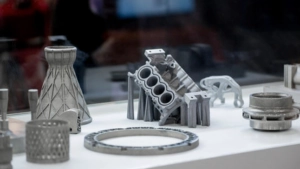
Precision From Top Prototype
- Precision Engineering: San Diego Swiss Machining excels in delivering high-precision components tailored to exact specifications.
- Cutting-Edge Technology: Utilizes advanced CNC Swiss machining techniques for optimal accuracy and efficiency.
- International Standards: Adheres to global manufacturing standards, ensuring quality and reliability across all projects.
- Custom Solutions: Offers bespoke machining solutions for various industries, including aerospace, medical, and automotive.
- Rapid Prototyping: Provides quick turnaround times for prototype development, facilitating faster product development cycles.
- Skilled Workforce: Comprised of experienced machinists dedicated to continuous improvement and customer satisfaction.
4 thoughts on “San Diego Swiss Machining”
After getting the San Diego Swiss machining products, I feel great and it’s super cost-effective!
The company is quick to adapt to changes in the industry, offers speedy updates on their San Diego Swiss machining products, and keeps prices affordable. This is our second collaboration, and it’s been great!
I frequently shop online and have purchased items from various stores. When it comes to price, quality, and variety of functions, I believe the San Diego Swiss Machining product offers great value for some friends.
We recognize that your company is highly regarded in the industry, and you’ve consistently maintained high standards while striving for improvement over the years! We were really impressed by your San Diego Swiss machining.
Comments are closed.